
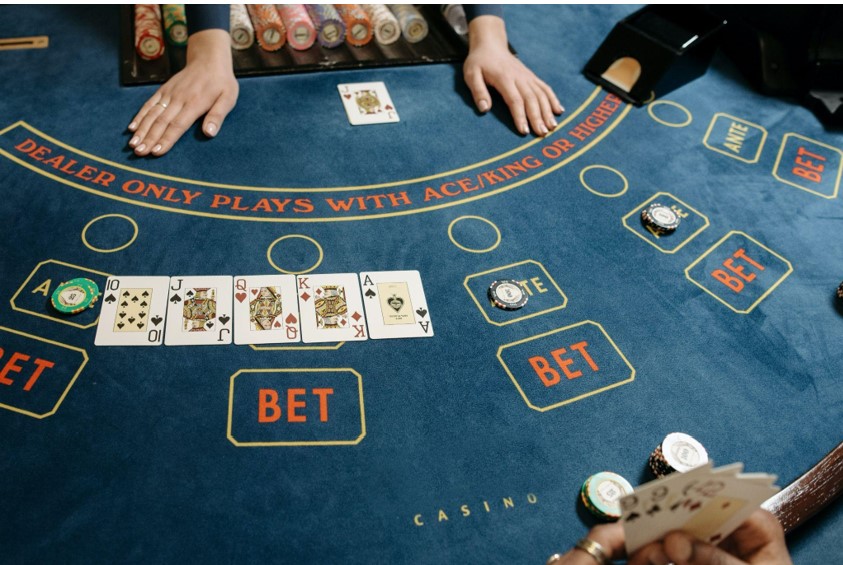
When someone first looks at a 홀덤 가이드 table, it can feel a bit crowded. Cards, chips, positions, actions all happening at once. But once you slow down and look at each part, it becomes easier.
Each player gets two cards. These are private. Then there are shared cards in the middle that everyone uses. The goal is simple, make the best five card combination.
At first, it is not about winning. It is about noticing what happens and when.
Cards and positions explained simply
Not all seats at the table are equal. This is something beginners often miss early on.
Some players act first, while others act later. The later you act, the more information you get. That alone can change how you play even the same cards.
For example, a decent hand might feel strong in a later position but risky in an early one. This difference slowly starts making sense after a few sessions. Not instantly though.
What happens in each round
The game moves in stages, and each stage has a purpose.
- First comes the initial deal
- Then the first round of decisions
- Then shared cards begin to appear
- More decisions follow after each stage
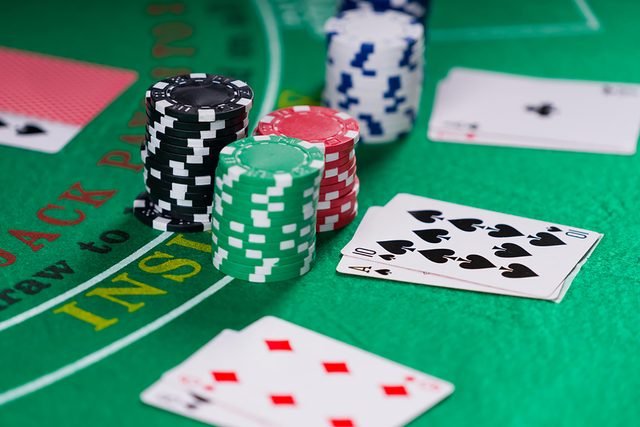
Small decisions that matter early
Early decisions shape the rest of the game. This is something many guides emphasize, and for a reason.
Choosing whether to play or fold in the beginning is often more important than anything that comes later. A weak start usually leads to uncomfortable situations later on.
Some players try to play too many hands. Others hesitate too much. Both happen.
And somewhere in between, a balance slowly forms. That is where learning begins.
Watching before making moves
There is no rush to act fast. New players sometimes feel pressure to respond quickly, especially when others seem confident.
But watching is part of playing.
- Observe how often others bet
- Notice who plays aggressively
- See who folds early
These small observations build awareness. And awareness helps decisions feel less random.
Right around this stage of learning, many players start looking for structured help like a 홀덤 가이드 to make sense of what they are seeing at the table. It gives a bit of direction when things feel scattered.
When things start making sense
There is a moment, not very obvious, where things begin to connect.
You start noticing why certain hands are played and others are not. You begin to see why position matters more than it first seemed. Even the pace of the game starts feeling familiar.
Not perfect. Just familiar. And from there, learning becomes less about rules and more about understanding situations.
Learning Hold’em is less about memorizing steps and more about slowly understanding flow. Table positions, early decisions, and observation all come together over time.